I was particularly struck by the older patient populations represented in many prostate cancer studies I encountered, often involving patients with localized or earlier-stage disease.
At 47, having been diagnosed with Stage III prostate cancer, I wondered how well existing research reflected younger patients facing more advanced diagnoses.
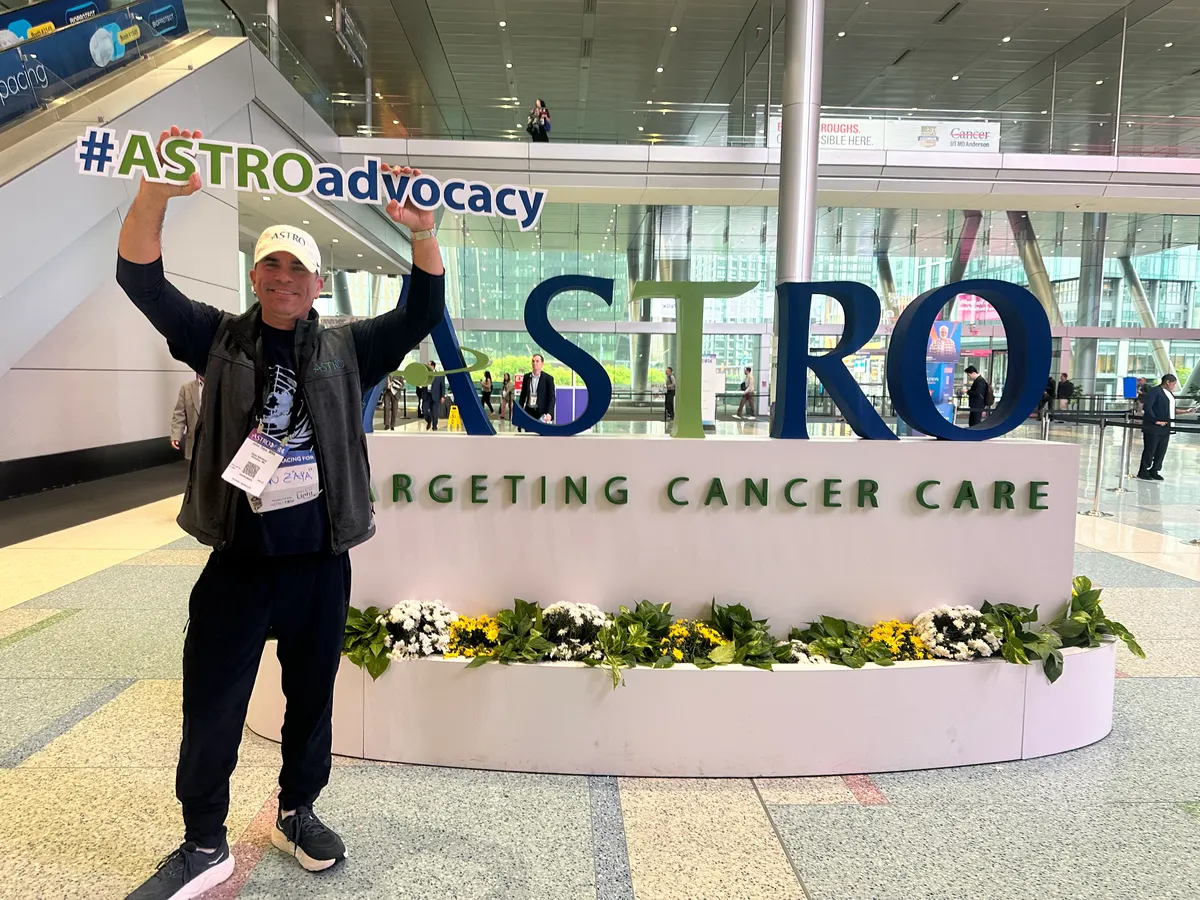
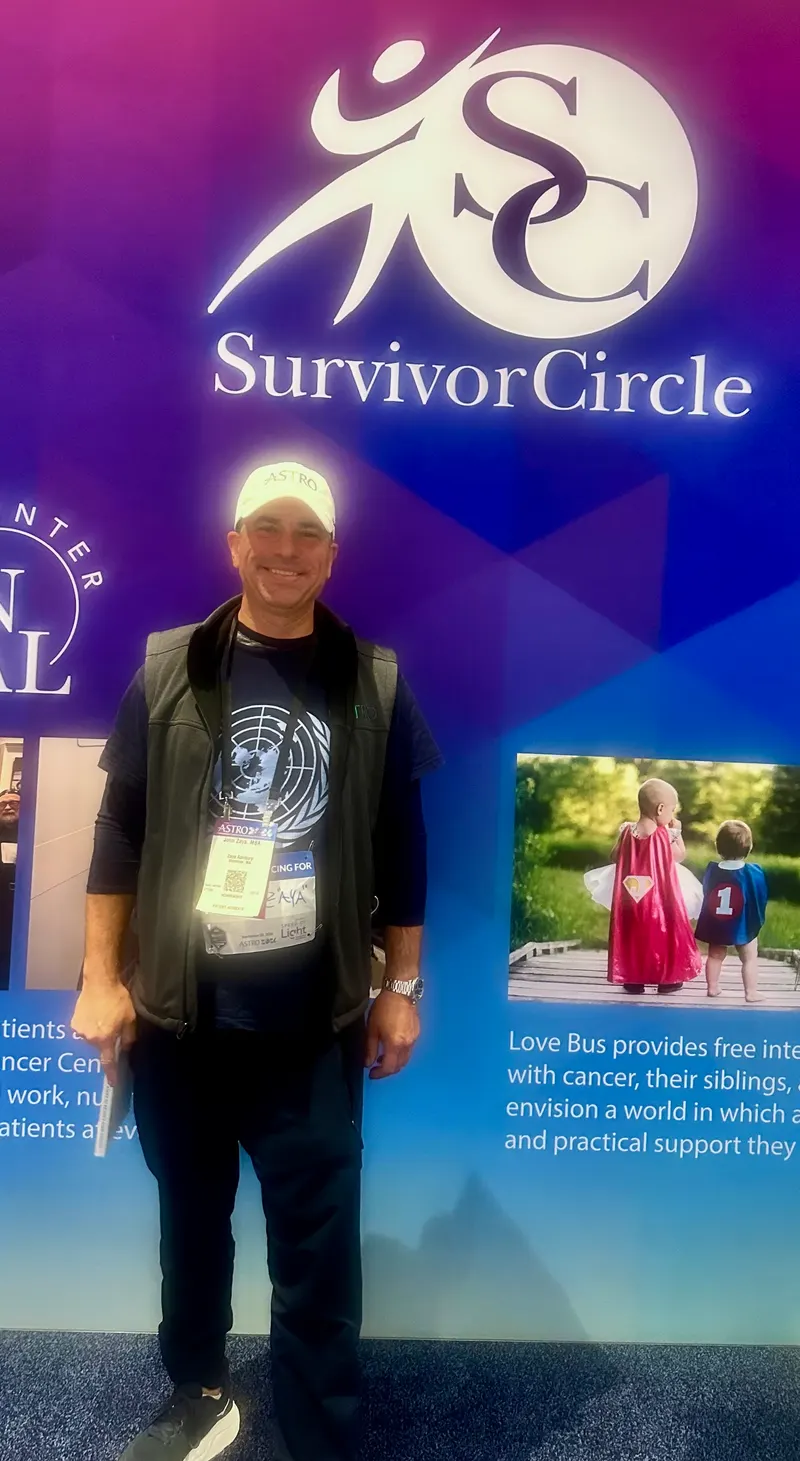
One session left a particularly lasting impression:
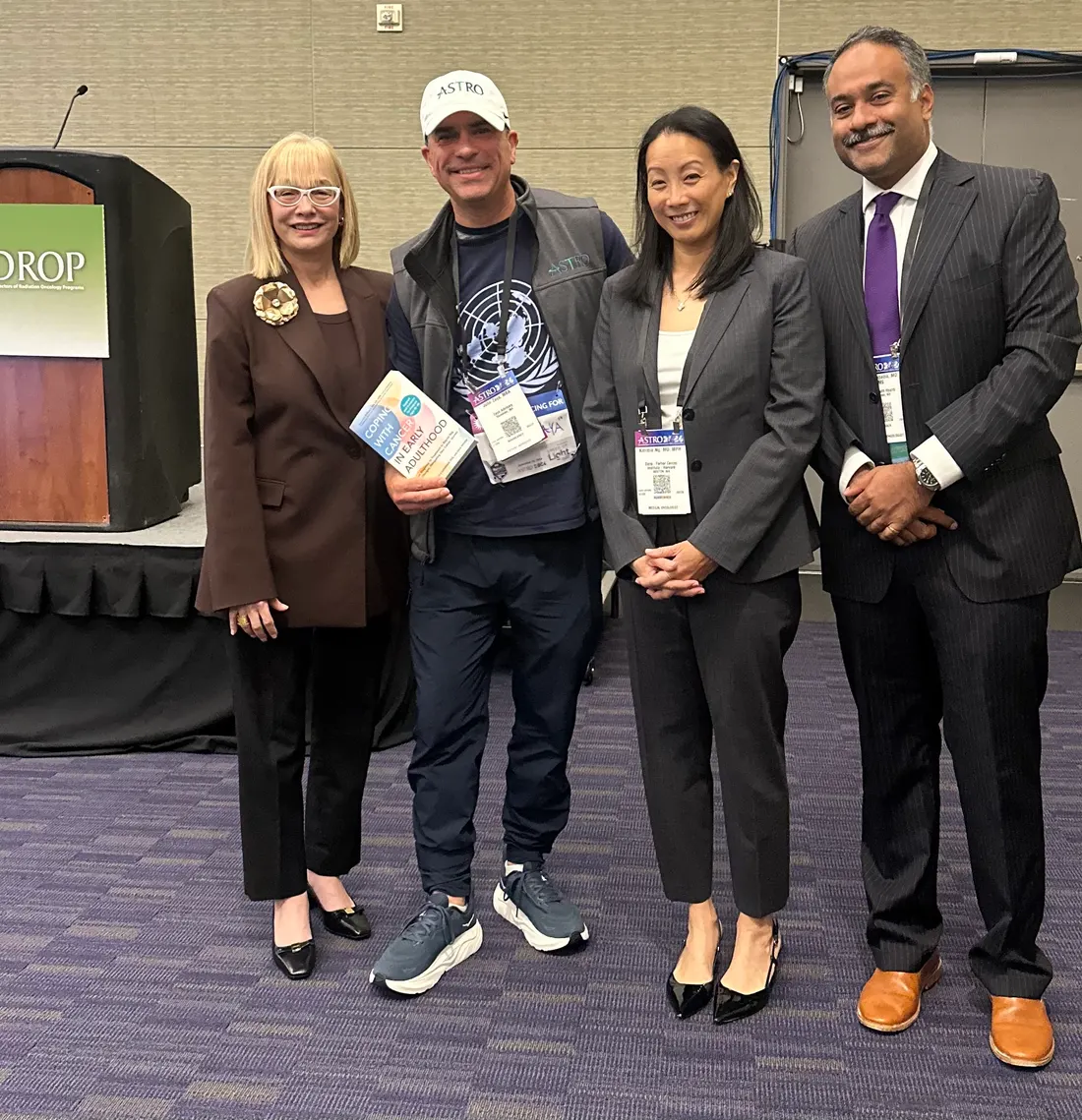
“Gen X Cancers: The Rising Incidence and Challenges in Management for Patients Diagnosed with Cancer in Their 40s and 50s.”
Featuring specialists including Dr. Kimmie Ng and Dr. Cristina Pozo-Kaderman of Dana-Farber Cancer Institute, the session examined changing cancer patterns and the physical, psychological, social, and economic challenges associated with cancer diagnoses in midlife.
The discussions extended beyond treatment to careers, parenting, fertility, relationships, mental health, financial toxicity, and survivorship.
These were not abstract scientific questions. They reflected challenges I was confronting personally.
The session also reinforced opportunities for shared learning across AYA patients and adults diagnosed in their forties.
From Boston to Washington: A Growing Global Concern
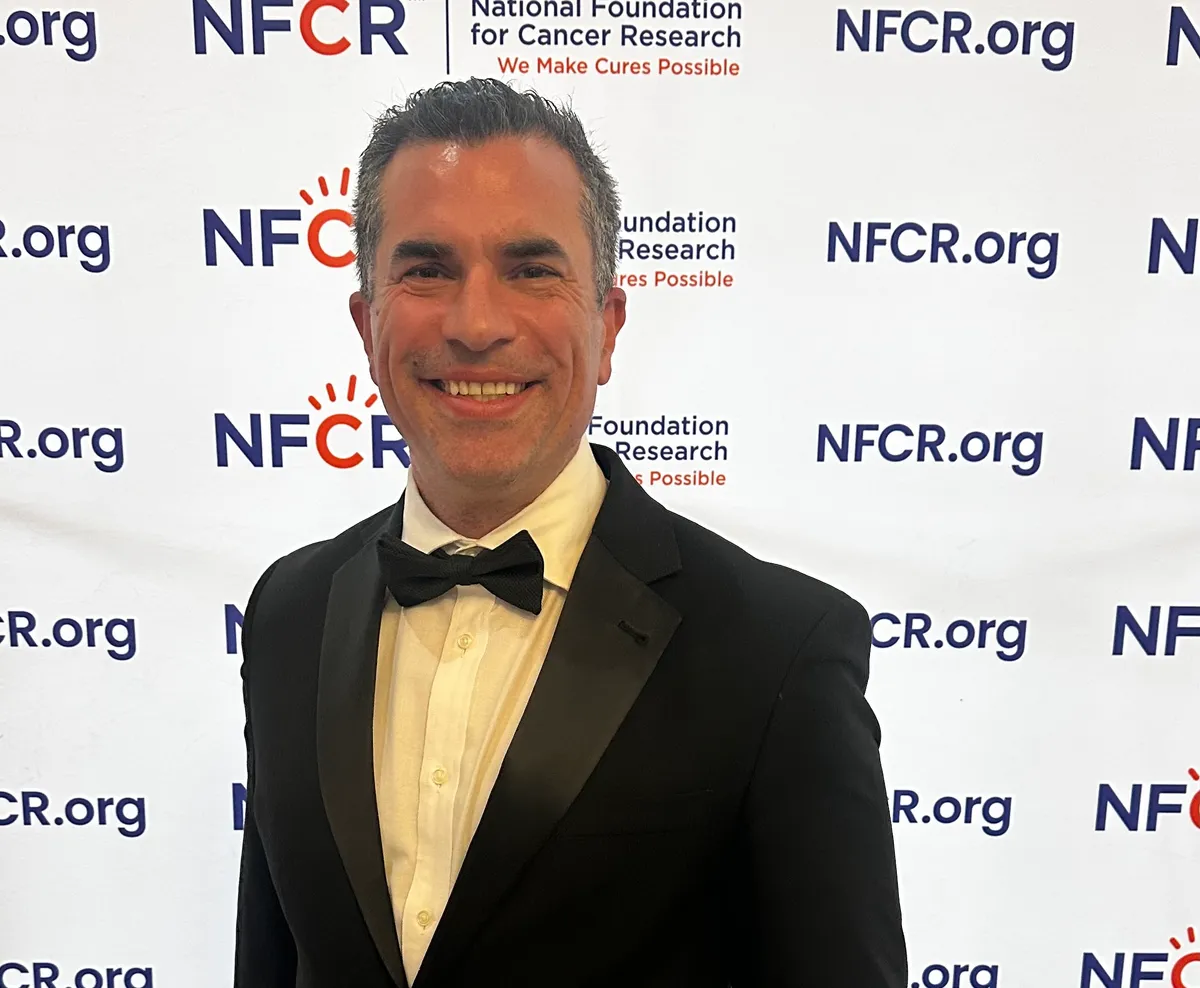
In October 2026, I attended the National Foundation for Cancer Research Global Summit & Awards in Washington, D.C., continuing my engagement with the cancer research and advocacy community.
These experiences strengthened my conviction that younger patients deserve meaningful participation in conversations about clinical research, healthcare policy, treatment access, and survivorship.
Research organizations, including World Cancer Research Fund International and the World Health Organization’s International Agency for Research on Cancer, have examined changing cancer incidence patterns among younger populations.
Evidence points to increases in certain cancer types and populations, although trends differ by cancer, age group, geography, and time period.
Colorectal cancer has received substantial attention, but the broader research questions extend to other cancers as well.
In the United States, the recommended starting age for average-risk colorectal cancer screening was lowered from 50 to 45, illustrating how evolving evidence can influence approaches to prevention and early detection.
These developments raise important questions.
Are screening guidelines and diagnostic pathways keeping pace with changing evidence?
Are younger patients adequately represented in relevant research?
Do healthcare systems recognize the distinctive social, psychological, and financial challenges of cancer earlier in life?
And how can knowledge and innovation reach patients across different communities and countries?
These are not simply oncology questions. They concern healthcare strategy, public policy, education, workforce participation, family well-being, financial stability, and health equity.
The global concern deserves attention—not to create fear, but to encourage informed awareness, stronger research, appropriate early recognition, and meaningful action.











 Connect with the Initiative